Report on the Allegations of the use of chemical weapons against women in Sudan: Port Sudan
Prepared: Sudanese Women of Peace (SWOP)
Date: 29 July 2026
Executive Summary:
This report examines allegations concerning the use of chemical agents in Sudan. It gathers publicly accessible data, available testimonials, and international legal standards pertaining to chemical weapons and civilian protection. Independent investigations are still necessary to establish the facts, pinpoint the perpetrators and guarantee accountability under international law given the severity of these accusations. Any use of chemical weapons in inhabited regions has particular health, social, and economic repercussions for women and girls.
Background
In October 2025, Human Rights Watch highlighted emerging evidence concerning the alleged use of chlorine gas[1] by the Sudanese Armed Forces during military operations in September 2024. The report cites an investigation conducted by France 24 Observers, which examined geolocated photos, videos, witness accounts, and open-source materials suggesting that two occurrences between the Jaili oil refinery and the Garri military base, north of Khartoum, may have involved the use of chlorine. Human Rights Watch underlined the necessity for an open international investigation to ascertain the complete facts while independently confirming the geolocation of evidence.
Subsequently, the issue has gained greater worldwide attention, particularly regarding the Port Sudan authorities. After determining through what it called an independent technical assessment that the SAF had used chemical weapons during the conflict in 2024, the US publicly demanded urgent and unrestricted OPCW inspections in July 2026. The US also declared a second set of penalties against the military-backed government operating out of Port Sudan, claiming that Sudan had not complied with its duties under the Chemical Weapons Convention[2]. The accusations and allegations that chemical weapons were deployed have been denied by the Sudanese authorities.These effects have implications for Sudanese women that go beyond the direct health consequences of chemical exposure. Women who are exposed to harmful substances during armed conflict may experience long-term effects on their reproductive health, greater caregiving burdens, economic insecurity after being displaced, and limited access to medical care because of compromised health infrastructure. Women are more vulnerable to both short-term and long-term human rights breaches as a result of these intersecting repercussions, which also perpetuate current gender disparities. Therefore, a gender-sensitive approach that records the unique and specific experiences and needs of women and girls, especially those living in or relocated to Port Sudan, should be incorporated into any investigation into the alleged use of chemical weapons.
[1] Ida Sawyer, ‘Disturbing Reports of Sudan’s Military Using Chlorine Gas’ Human Rights Watch (9th October 2025) https://www.hrw.org/news/2025/10/09/disturbing-reports-of-sudans-military-using-chlorine-gas accessed 27th July 2026
[2] Mina Aldroubi, US Demands Immediate Inspections of Sudan’s Chemical Weapons and Warns of Consequences’ The National(11th July, 2026) https://www.thenationalnews.com/news/mena/2026/07/11/us-demands-immediate-inspections-of-sudans-chemical-weapons-and-warns-of-consequences/ accessed 27th July 2026
Gendered Impact on Women and Girls
The immediate physical consequences of the suspected use of chemical weapons during the conflict in Sudan are not sufficient to fully understand the situation. Due to biological, societal, and economic factors that influence their vulnerability to physical harm and capacity for recovery, women’s experiences in armed conflict differ from experiences shared by men. Research already conducted shows that chemical agents and armed conflict have gender-specific effects that go far beyond the initial exposure, impacting women’s livelihoods, duties as carers, reproductive health, maternal healthcare, and long-term social wellbeing.
Reproductive and Maternal Health
When exposed to toxic substances, women of reproductive age find themselves especially at risk. Exposure to chemical agents has been linked to miscarriages, menstrual irregularities, difficulties during pregnancy, infertility, and congenital abnormalities, according to research on the impacts of chemical warfare. The research that is now available shows that women need specialised reproductive healthcare following any suspected chemical occurrence, even though the long-term health effects vary on the particular chemical involved and the degree of exposure.
Such concerns are significant in Sudan, where conflict has already severely damaged the country’s healthcare sector. The World Health Organization[1] reports that thousands of pregnant women lack access to appropriate prenatal care, emergency obstetric treatment, and delivery services due to the collapse of maternal health services and that over a million pregnant women need urgent reproductive healthcare. Any chemical interference that takes place in this setting would put pregnant women and newborns at even greater risk by adding to the burden on the already overburdened healthcare system.
Displacement and increased vulnerability
The conflict has displaced more than 1 million Sudanese civilians, with women and girls disproportionately bearing its consequences. According to the World Vision research, displacement has increased the risk of exploitation, early marriage, and gender-based violence for women and girls while also disrupting healthcare, education, livelihoods, and family support networks. When populations are exposed to dangerous drugs and need specialised medical care that is either unavailable or inaccessible, these vulnerabilities become considerably more serious[2]. Concerns for women who have been displaced to or are living in Port Sudan go beyond their immediate safety. Women’s access to reproductive healthcare, psychosocial support, and specialist treatment when exposure to harmful substances is suspected has decreased due to the concentration of internally displaced people, which has put additional strain on healthcare facilities, shelter, and humanitarian aid.
Figure 1: Image obtained from a witness account documenting conditions in Al Fasher, Sudan. Chemical gas canisters were reported following chemical weapon attacks.
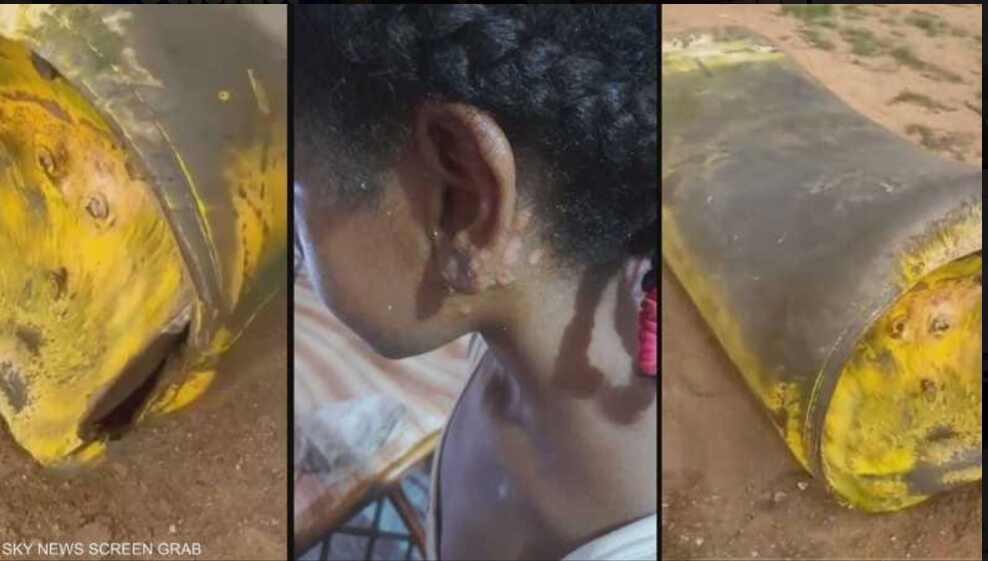
Source: Witness provided visual material from Al Fasher, accessed 27th July 2026
The alleged consequences resulting from chemical exposure, such as civilian injuries and the existence of suspected chemical containers, have been documented by witness statements and visual materials from Al Fasher. Though independent verification is necessary to determine the precise nature of the substances involved and assign accountability, these materials offer significant contextual evidence regarding the reported usage of chemical agents.
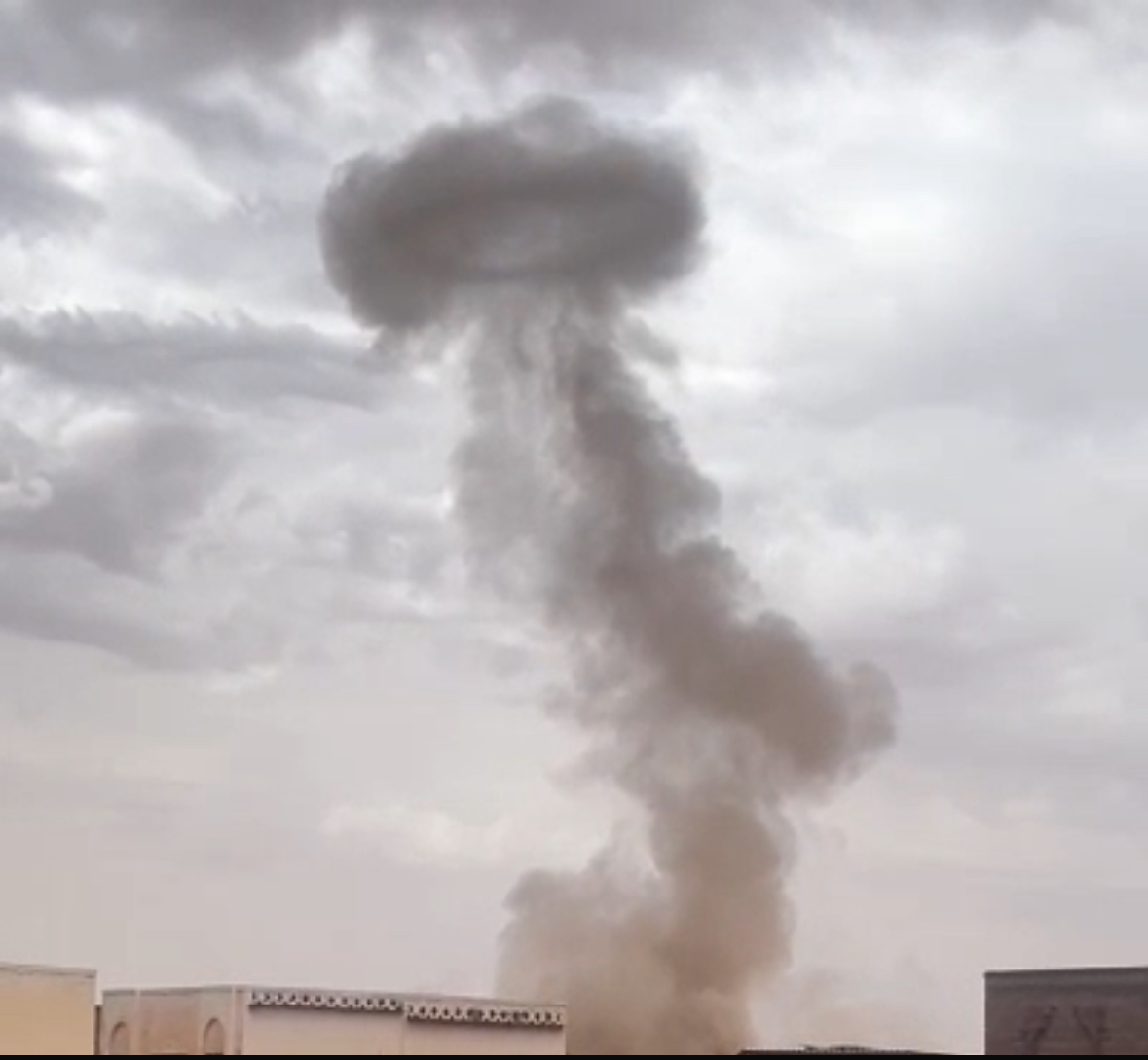
Figures 2 and 3: Bombings reportedly occurring in a civilian-populated area of Al Fasher, Sudan.
Source: Witness-provided visual material from Al Fasher, Sudan.
The pictures depict explosions taking place in supposedly residential settings, highlighting the dangers non-combatants endure during continuing operations. International humanitarian law, in particular the principles of distinction and proportionality, which mandate that parties distinguish between military objectives and civilian objects and refrain from causing disproportionate harm to civilians, raises major concern when attacks impact civilian regions.
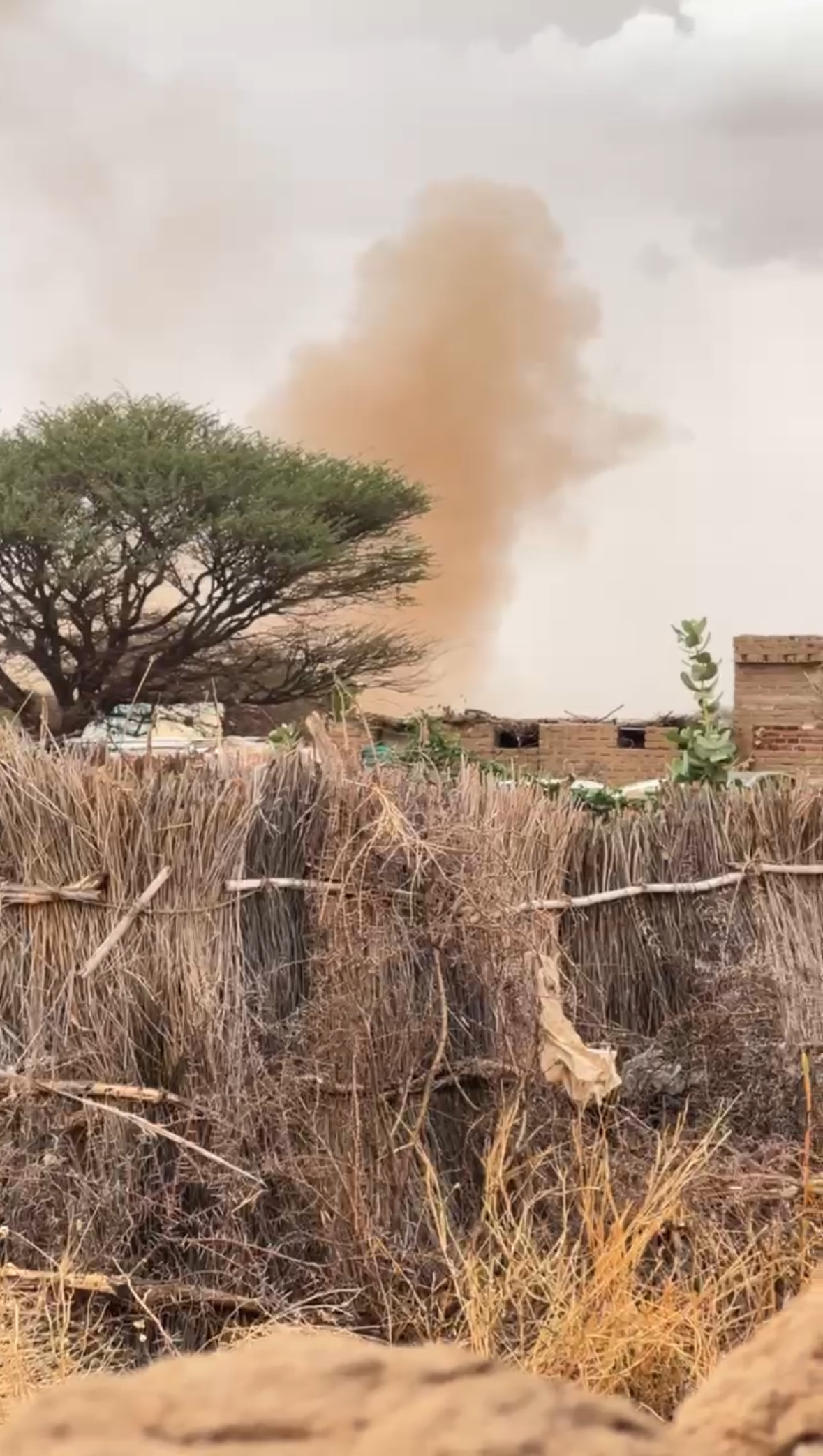
Figure 4: Atmospheric conditions following a reported chemical attack in Al Fasher, Sudan.
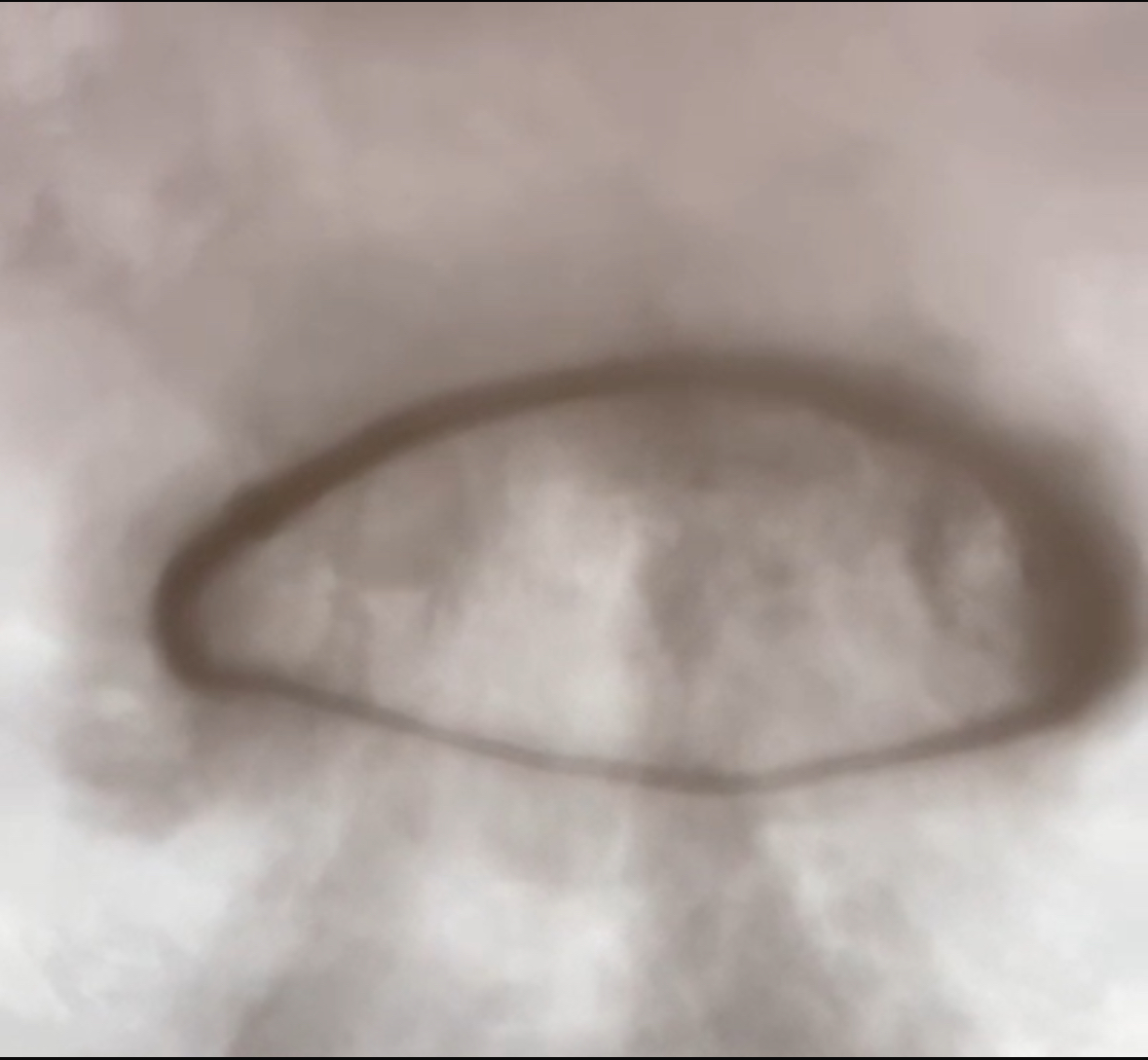
Source: Witness-provided visual material from Al Fasher, Sudan.
The picture is a component of a larger collection of visual evidence that depicts the events following an alleged chemical attack in Al Fasher. It strengthens concerns about the potential use of banned chemical agents against civilians when combined with witness statements and other relevant factors.
| Area of Impact | Effect on Women and Girls |
| Physical health | Chronic disease, respiratory illness, |
| Social | Barriers to marriage and community participation, isolation |
| Mental health | Grief, anxiety, depression |
| Displacement | Risk of GBV, poverty, exploitation |
| Economic | Loss of livelihoods, increased unpaid work |
| Healthcare | Reduced access to antenatal, maternal and reproductive services |
| Caregiving | Exposure whilst caring for children and relatives |
| Reproductive health | Miscarriage, infertility, menstrual and pregnancy complications |
Conclusion
Under international humanitarian and human rights law, reports of chemical weapons use in Sudan raise significant concern, especially with regard to their potential implications on women and girls. The findings that are already accessible highlight the critical need to ensure that any investigation takes a gender-sensitive approach that acknowledges the unique and frequently disproportionate harms experienced by women, regardless of whether independent investigations remain necessary to determine the facts behind these allegations.
Displacement, disruptions to maternal and reproductive healthcare, increased caregiving obligations, greater exposure to gender-based violence, and long-term physical and psychological effects are just a few of the interconnected issues that women impacted by conflict continue to face. It is essential to make certain women’s experiences are thoroughly recorded and represented in accountability procedures since these vulnerabilities are rendered worse when accusations of the use of chemical weapons surface.
Given these concerns, SWOP urges the international community, including the United Nations, the Organization for the Prohibition of Chemical Weapons (OPCW), and pertinent human rights mechanisms, to support impartial, transparent, and independent investigations into all claims of chemical weapons use in Sudan. In order to guarantee that survivors receive adequate protection, medical attention, and access to justice in compliance with international law, such enquiries should prioritise the experiences of women and girls.Documenting abuses is not enough to protect women in armed conflict; survivor-centred solutions, ongoing international commitment to responsibility, and the meaningful inclusion of women’s voices in all peacebuilding and justice processes are all necessary. These steps are the only way to guarantee Sudanese women and girls’ long-term safety, justice, and dignity.
[1] World Health Organization, ‘Conflict and instability make pregnancy more dangerous’ (17th February 2026) https://www.who.int/news/item/17-02-2026-conflict-and-instability-make-pregnancy-more-dangerous accessed 27th July 2026
[2] Mohammed Salah Alfahal and others, ‘Conflict and displacement in Sudan: Health challenges, socio-economic strain, trauma, and coping mechanisms among internally displaced persons in Port Sudan shelters’ (2025) 104 (16) Medicine e42232 https://pmc.ncbi.nlm.nih.gov/articles/PMC12014049/ accessed 27th July 2026